
Residential Interiors
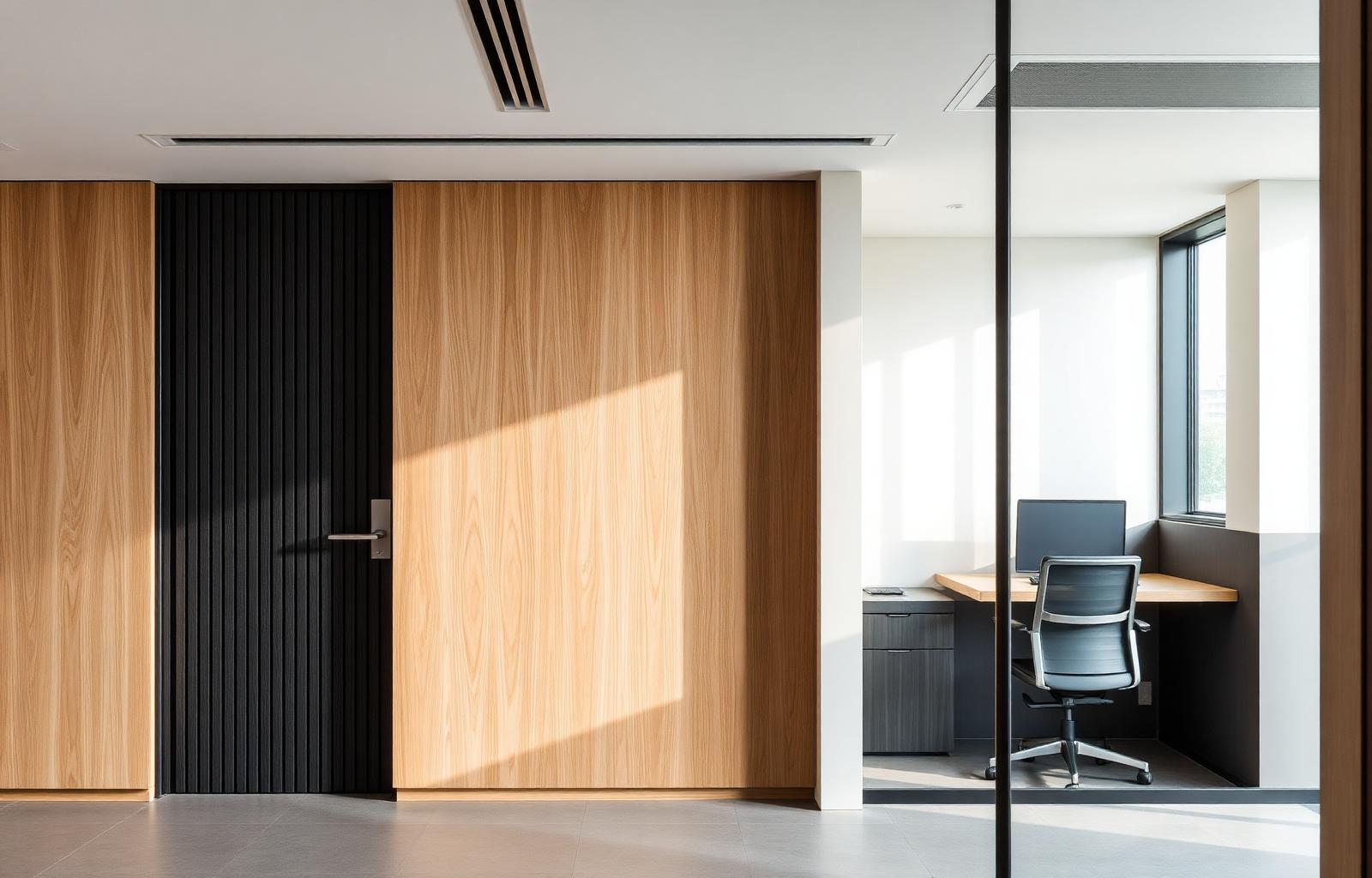
Full-home interiors planned around how the family actually lives — daily routines, storage patterns, and the spaces that get the hardest use.
Service · Interior Design & Execution
Most interiors are judged on visible finishes. Long-term performance, however, is decided behind those finishes — in the board, the adhesive, the hardware, and the workmanship. We design and execute interiors with both halves in view.
02 · Solutions
Each interior type carries its own material, services, and wear considerations. The engagement is scoped around the specific space and how it will be used.
Full-home interiors planned around how the family actually lives — daily routines, storage patterns, and the spaces that get the hardest use.
Larger residences where joinery, finishes, and services are coordinated across multiple levels — and detailed for long-term performance.
Full-flat interiors planned within society guidelines, lift access, and slab tolerances — without compromising design intent.
Workspaces designed around team workflows, acoustics, and services — and built to handle daily wear without looking tired in three years.
High-footfall environments where storefront, customer flow, lighting, and merchandising fixtures are executed as one coordinated scope.
Display-led environments where lighting design, sightlines, and finish quality directly influence how products are perceived.
Hospitality spaces detailed for service flow, kitchen interfaces, ventilation, and the wear patterns that come with daily occupancy.
Clinical environments where material selection, hygiene, and serviceability are non-negotiable inputs — not aesthetic afterthoughts.
03 · Purpose
Interiors are not decoration applied to a room. Good design begins with how the space will actually be lived in or operated — and holds up to that use over years.
Layouts begin with daily routines — where things are stored, how people move, what each room actually needs to do — not with mood boards.
Wardrobes, kitchens, and utility areas are sized against real inventory and access patterns. Storage works the way the household or business works.
Ergonomic counter heights, circulation widths, lighting levels, acoustics, and ventilation are decided early — before finishes are discussed.
A restrained material palette and considered detailing tend to age better than trend-driven choices. We optimise for ten years, not the launch photograph.
04 · Hidden quality
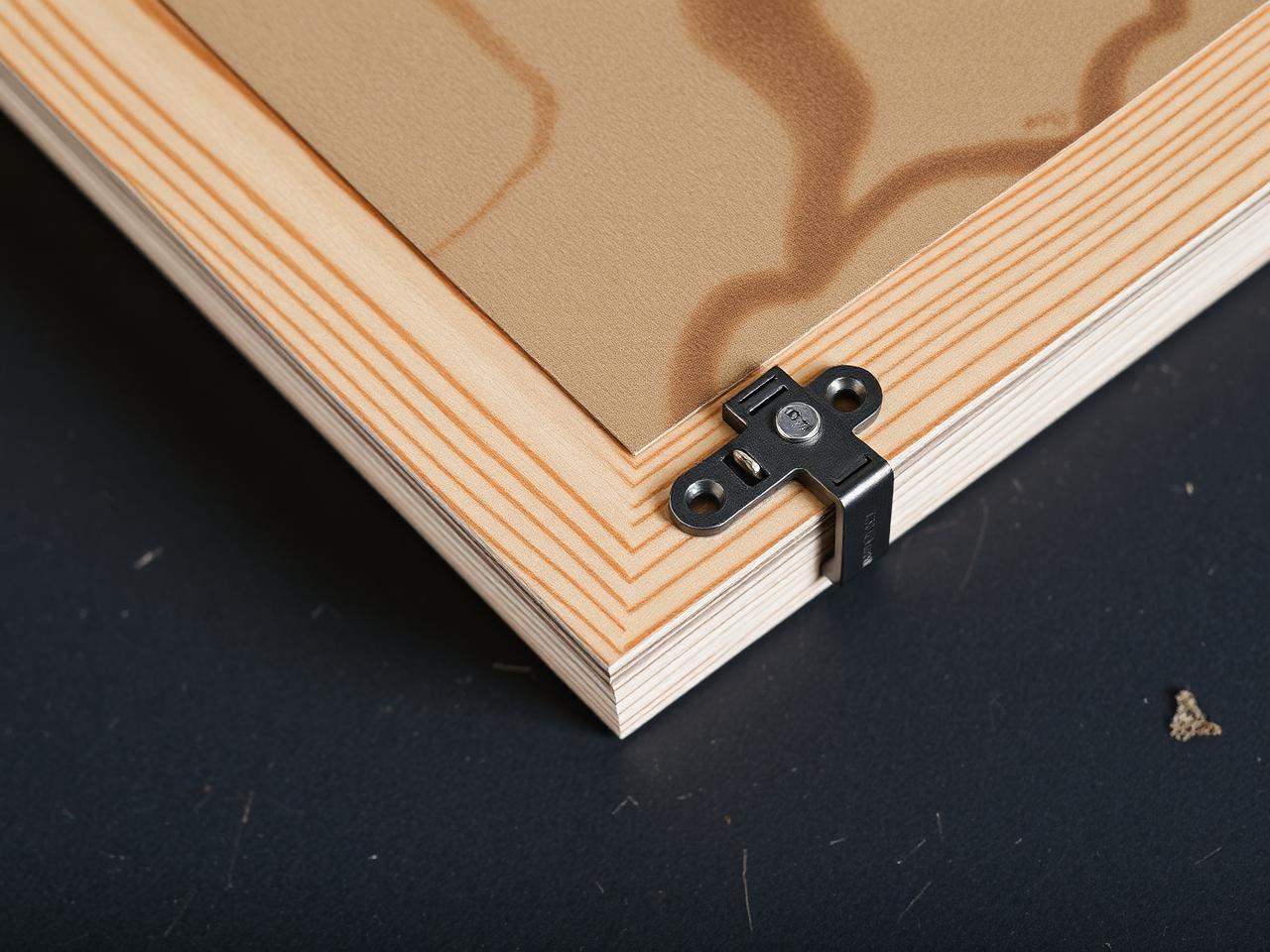
Two interiors can look identical at handover and behave very differently three years later. The difference sits inside the shutter — in the substrate, hardware, and workmanship.
05 · Material selection
The objective is not the most expensive material everywhere. It is the right material in the right place — selected with the client, documented before procurement, and verified at delivery.
Premium materials everywhere is not a strategy. Each material is matched to its environment — moisture exposure, load, wear, and visibility — so the budget goes where it earns the most return.
Plywood grade, board thickness, laminate brand and code, acrylic finish, hardware make, and adhesive type are all named in writing — before procurement begins.
Hinges, channels, and load fittings are chosen for the cabinet they belong to. A pantry pull-out and a wardrobe shutter are not the same problem.
Laminate, acrylic, veneer, PU, and membrane are each appropriate somewhere — and inappropriate elsewhere. The selection is made with the client, not for them.
06 · Adhesives
Adhesives are usually invisible — and usually the first thing to fail when chosen casually. We treat them as a specified input, not a site-floor decision.
07 · Concerns
The questions clients tend to ask before committing to an interior project — answered directly.
08 · Mistakes to avoid
Most interior disappointments trace back to a small set of avoidable decisions made before — or instead of — proper planning.
09 · Execution
Interior execution is governed by structure — not improvisation. The same disciplines apply across residential and commercial work.
Design intent is owned by the same team that executes on site — eliminating the usual disconnect between designer and contractor.
Carpentry, false ceiling, electrical, painting, and final finishes each have written checklists — signed before the next stage begins.
Samples, brand codes, and finish references are approved before purchase orders go out. No surprises arrive at site.
Specialist trades are coordinated by our own site supervisor — not left to negotiate scope and sequencing among themselves.
10 · Visibility
Clients should never need to chase the team for an update. Visibility is built into how the engagement is run.
11 · Long-term value
The interior should still be functioning well years after handover — without expensive rework or quiet workarounds.
12 · Next step
Share your space, intended use, and any reference material. We will review and respond with a structured proposal — scope, material direction, indicative cost band, and the engagement model that fits.
Continue exploring how Right Bloom Infra approaches projects.
See our process →