Our process
Successful projects are the result of a structured process, not isolated construction activities.
The same building can be delivered well or badly. The difference is rarely the materials. It is the discipline of how the project is understood, planned, coordinated, communicated, and reviewed. Below is the ten-stage sequence we follow on every engagement — adjusted in depth, never in order, depending on the size and nature of the project.
Ten stages, in order
The sequence we follow on every project.
Each stage has a defined purpose and a defined output. Stages may overlap on smaller projects, but they do not get skipped.
- 0101
Understand
Requirements, site, intent, budget posture, and timeline.
- Client requirements and usage intent
- Site conditions and surrounding context
- Project objectives and constraints
- Budget posture and priorities
- Timeline expectations
We do not discuss cost or schedule until the brief is clear. Numbers offered before the brief is understood are not estimates — they are guesses.
- 0202
Assess & Plan
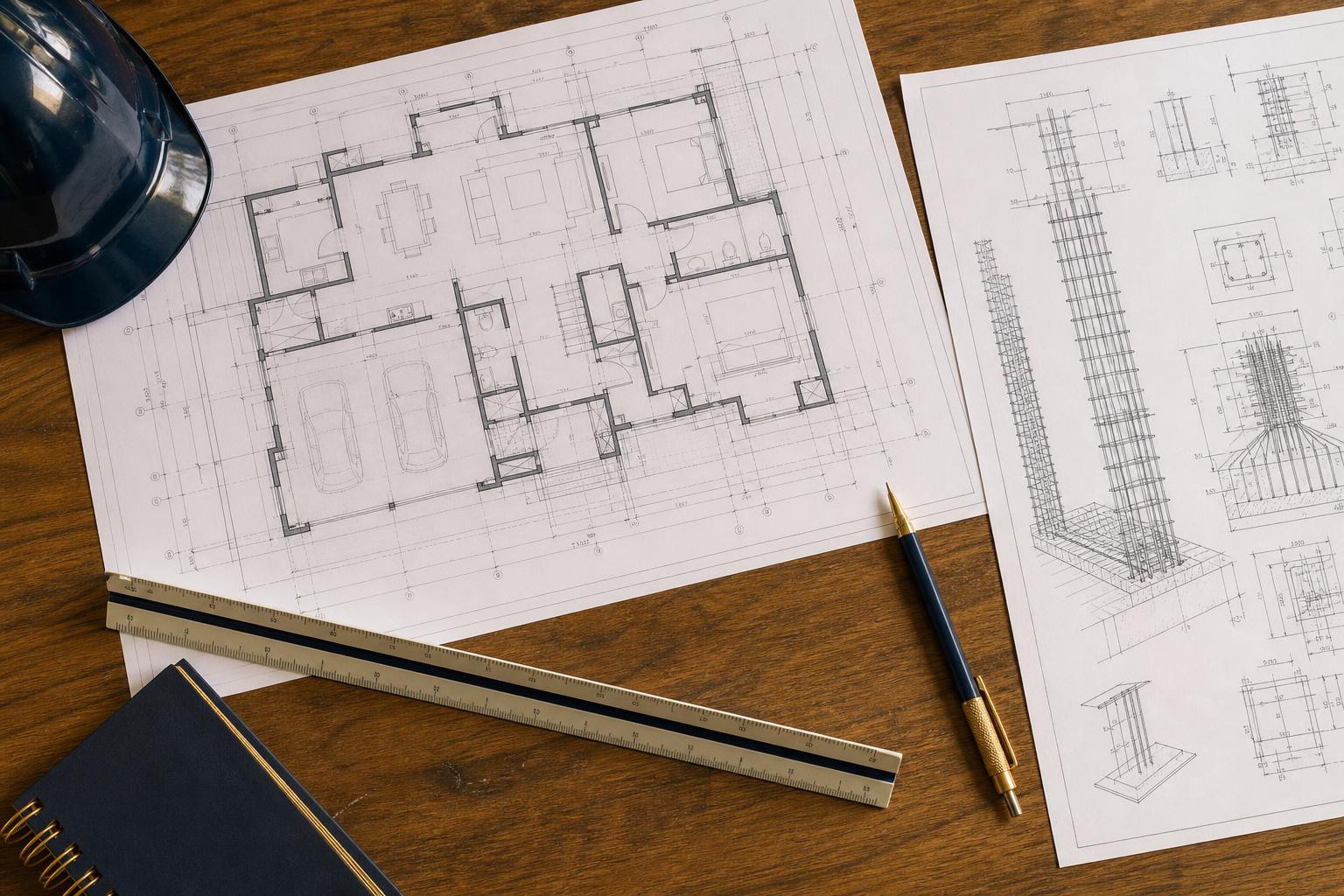
Reviews, drawings, and feasibility — calibrated to project type.
- Site review and survey coordination
- Architectural planning
- Structural planning
- Interior planning (where applicable)
- Feasibility reviews and scope definition
Architectural and structural drawings should be finalised before major execution decisions. Decisions on paper are far less expensive than decisions on site.
- 0303
Scope & Budget Alignment
What is included, what it is built with, and what it should cost.
- Scope clarity — what is in, what is out
- Material considerations and specifications
- Itemised budget planning and BOQ
- Deliverables and exclusions documented
Realistic planning at this stage is what makes a project predictable. Optimistic scopes lead to silent compromises later.
- 0404
Project Planning
Resources, procurement, schedule, and coordination logic.
- Resource planning — site team and trades
- Procurement planning and long-lead items
- Schedule and milestone planning
- Coordination plan across consultants and vendors
A plan is not a Gantt chart on a wall. It is the working logic by which the project will be run, reviewed, and adjusted.
- 0505
Execute
Structured site execution with documented accountability.
- Method statements for key activities
- Professional supervision and trade coordination
- Quality-focused implementation at every stage
- Clear accountability for each work package
Execution is not the start of the project. It is the continuation of a plan that was made carefully before the first delivery arrived on site.
- 0606
Communicate
A predictable rhythm of updates, reviews, and decisions.
- Weekly written progress updates
- Milestone reviews with the client
- Photo and video progress visibility
- Decision support — options, implications, recommendations
- Issue resolution with a documented trail
Silence is not a project status. Clients should never have to chase information about their own project.
- 0707
Manage Changes Responsibly
Changes are normal — handling them quietly is not.
- Changes are evaluated, not waved through
- Cost and timeline impact discussed before approval
- Approved variations documented in writing
- Running variation log shared with the client
Every project sees change. What separates a professional process is whether the change is visible, evaluated, and approved — or quietly absorbed.
- 0808
Review Quality
Four dimensions, governed by specifications and checks.
- Workmanship — supervised and stage-checked
- Material quality — verified at delivery and installation
- Structural integrity — engineering-led detailing
- Finishing quality — line, level, reveal, and surface
Quality is verified, not declared. Stage-wise sign-offs matter more than reassurances at handover.
- 0909
Complete & Handover
Walkthroughs, snag closure, and a documented handover.
- Pre-handover walkthroughs and observation lists
- Snag resolution before formal handover
- Drawings, warranties, and as-built documentation
- Maintenance guidance for the client
A handover is a document set as much as it is a ribbon. Without one, the next ten years of the building are harder to maintain.
- 1010
Build Long-Term Relationships
The project ends. The relationship does not.
- Defect liability and post-handover support
- Honest guidance on future modifications
- Continued professional relationship
- Reputation earned and protected, project by project
The most reliable source of new work is good work done previously. We work with that horizon in mind.
Why process matters
Process is what turns construction into a managed delivery.
Without process, construction becomes a sequence of independent activities held together by goodwill. With process, it becomes something a client can plan around, budget for, and trust.
Predictability
A structured process produces fewer surprises — on cost, schedule, and scope. That is what clients are really paying for.
Accountability
Every decision has an owner, every change has a trail, and every quality check has a sign-off.
Coordination
Architects, structural consultants, MEP designers, and vendors work to one consistent set of drawings and decisions.
Informed decisions
Clients are presented with options, implications, and recommendations — not pressured into snap decisions.
Common problems good planning helps avoid
Most project failures are diagnosed too late.
The issues below are the most common reasons projects go sideways. None of them are caused by bad luck. All of them are reduced — or eliminated — by the disciplines built into the stages above.
- 01Costs that climb because the scope was never properly defined
- 02Rework caused by drawings that were not finalised before execution
- 03Material substitutions made on site without the client's knowledge
- 04Schedule slippage that surfaces only when it is too late to recover
- 05Variation requests that arrive as invoices rather than decisions
- 06Quality issues discovered after concealed work has been closed
- 07Vendor disputes that delay the project for weeks at a time
- 08Handovers without proper drawings, warranties, or documentation
A note on rigidity
Structured, not rigid.
A process exists to serve the project, not the other way around. The ten stages above are followed in order, but their depth is calibrated to the scale and nature of the work — a duplex home does not need the same documentation as a mixed-use development.
What does not change is the discipline of moving through them deliberately, with the client informed at each step.
Build with confidence
Let's begin with a conversation about your project.
Share your requirements, site context, and intent. We will respond with questions that help clarify scope before we discuss cost or timeline.
Continue exploring how Right Bloom Infra approaches projects.
Explore services →